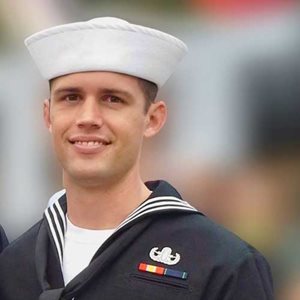
Veteran Austin Holmes was in the U.S. Navy for just over seven years as an explosive ordnance disposal tech. He was deployed twice during that time. Since then, he has started a business and podcast to help others.
What did you enjoy most about your time in the military?
I loved my job. I loved doing the technical side. I got to do all the fun stuff — jumping out of airplanes, shooting guns, blowing stuff up, and of course, diving, which was not something I initially even thought about. I was like, “Oh, I get to learn to dive, cool.” But it ended up being one of the things I loved the most as far as skillsets.
I also loved teamwork and being in a team environment. That’s one of the main reasons I joined — I wanted to be part of an elite team again. I looked at all the special operations programs around the military and ended up going Navy explosive ordnance disposal.
 Is there anything else about your military service you want to share?
It’s hard. It is truly a service. We always talk about the sacrifice that many military members make, but it’s a sacrifice at so many levels. It’s not just the ultimate sacrifice. There are sacrifices on the family level, being away from your hometown, the time spent in training, and deployments themselves. You’re sacrificing a part of your life to go serve your country, and that’s very real.
Can you explain your business, Signal Raptor?
Signal Raptor is a service and a software where we’re really focused on helping people build their brand. One of the ways we do that is through public relations efforts.
My wife, Heather, started Publicity for Good PR agency, and I joined a couple of years after the military. We were constantly being asked, “Do you have a program you can offer me when I’m just starting out?” That became one of our core focuses — helping people who are early in their branding journey and they’ve got a product or service and want to expand their reach.
As you’re starting out in business, it’s already hard enough. We wanted to help people grow their brand in an affordable way. It’s one of the hardest times in business when you don’t have help, so we wanted to provide both the technical aspect and the service side to support them when they need it most.
What motivated/inspired you to start this company?
We were getting that question all the time on sales calls: people asking for something built for beginners. That was a huge motivator. Another reason is that early stage business is tough. Making the transition into getting help and building systems is hard, so we wanted to make that step easier and more accessible.
Tell us about your podcast, OverPressure.
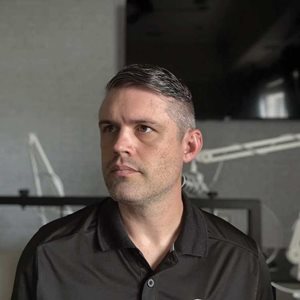
OverPressure is my opportunity to give back. I’ve had so many opportunities to learn through the military, events, communities, and online. I wanted to share my experience, help other people share their story, and put more voices into the world rather than fewer controlled voices.
Of course, you also get to meet really cool people and ask them questions you genuinely want to know.
What inspired you to create a podcast exploring what it takes to thrive as an entrepreneur when the pressure is on?
The pressure theme absolutely originated from the military side of explosive ordnance disposal, dealing with incredibly stressful situations. But business is stressful every day too. There’s pressure to perform, to move forward, to make an impact.
We talk about mental health all the time, but practical tools for dealing with daily pressure are few and far between. I feel like that’s something I have a lot of experience in — not just surviving pressure, but thriving in it.
What advice do you have for people interested in entrepreneurship work?
Take action every day. Consistency pays off more than anything else.
A lot of things are scary until you step into them and realize they’re not that bad. I did things in the military that were harder than anything I’ve dealt with in business.
The hardest part of business is the people aspect, and honestly, that’s true in the military too. Learning how to deal with people is critical. Veterans are very capable of interacting in society and providing value because the military sets a framework for communication and teamwork.
How has your previous military experience helped you with your business and podcast?
Systems is the first thing. I was responsible for the maintenance program in the Navy, so I was very familiar with documentation and process. When you have standard operating procedures and documentation, you can duplicate that across tens or hundreds of people and make a bigger impact.
Stress management is another huge one — being able to handle heavy stress loads.
And leadership. I started as a leader in the military and didn’t do a great job at first, so I learned lessons the hard way. Now leading a team of 75, those lessons matter. I look back at the best leaders I had in the military and aim to be that kind of leader.
Is there anything else you want to add?
If you have a dream, go after it. No one else is going to give it to you. If it’s morally right, plan how to get there and then execute that plan. It’s a lot like the military.
In the spirit of Service, Not Self, the mission of the American Legion Auxiliary is to support The American Legion and to honor the sacrifice of those who serve by enhancing the lives of our veterans, military, and their families, both at home and abroad. For God and Country, we advocate for veterans, educate our citizens, mentor youth, and promote patriotism, good citizenship, peace and security.


